Before and after the frame
Reconstruct the event, place and people around the photograph instead of treating the image as an isolated icon.
VISUAL HISTORY
Historical photographs, carefully researched. We trace the story behind the frame, check what the archive actually records, and separate documented facts from interpretation.
Read the featured story →
The First Photograph: When the World Learned to Look at Itself
Explore the earliest surviving camera photograph, the process behind it, and why it changed the history of visual recording.
THE IDEA
Every image is a starting point, not the whole story. ARVREN connects visual clues with archive records, historical context and clearly labelled uncertainty—so you can see what a photograph reveals, and what it cannot prove.
HOW ARVREN READS AN IMAGE
Reconstruct the event, place and people around the photograph instead of treating the image as an isolated icon.
Read buildings, clothing, technology, weather and composition as clues—while explaining what they can and cannot establish.
Link to original archive records and make image credits and rights notes visible, including uncertainty when status is not universal.
Distinguish documented facts from interpretation and flag captions, dates or claims that need qualification.
LATEST STORIES
Nicéphore Niépce’s view from a window is more than an old image. It marks the moment a scene could be fixed and carried into the future.

The photographs of the Blitz show more than ruined buildings. They show how an ordinary city learned to live with extraordinary danger.

Photographed in Southampton days before its maiden voyage, Titanic still looked like what it was meant to be: a marvel of modern travel.
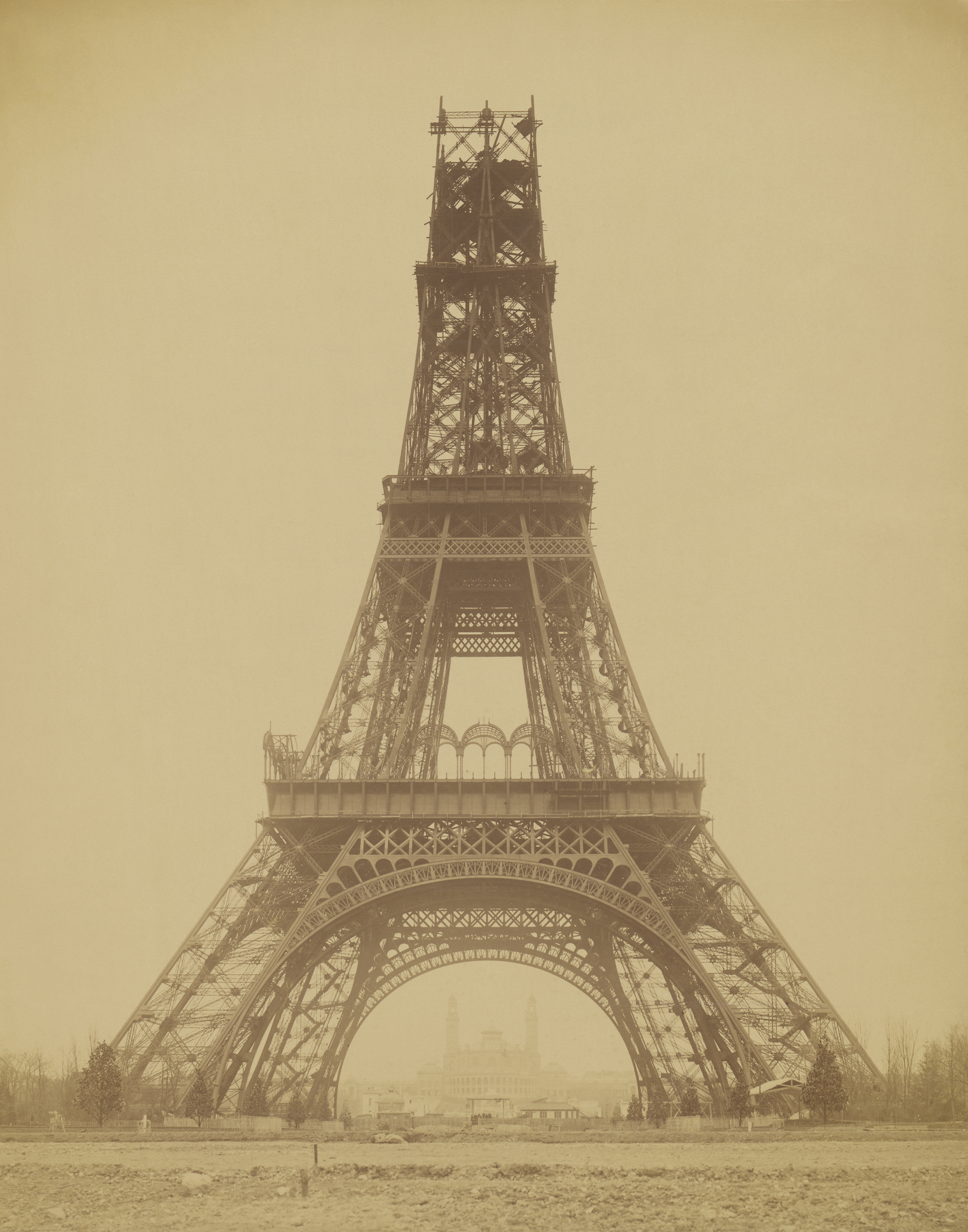
A construction photograph from 1888 captures Paris in the middle of an experiment that would become one of the world’s most recognizable landmarks.

Fifth Avenue on Easter Sunday in 1900 reveals a city already crowded, commercial and modern—but still dominated by horses and low-rise streets.
On 6 May 1937, a giant airship caught fire while landing in New Jersey. Photographs turned the catastrophe into one of the most recognizable images of the twentieth century.
COLLECTIONS
GUIDES
From early experiments in light-sensitive chemistry to the age of mass visual culture.
A practical framework for reading dates, places, people, buildings and visual clues.
A guide to early surviving photographs and the technologies that made them possible.
How historians use clothing, architecture, cameras, paper, events and provenance to estimate a photograph’s date.

